
Must scale, brass, beech wood, 19th century, Speyer Historical Museum
Must scale with additional plates and case. The scale has the shape of a sphere with a small cylindrical base and an attached tip. The four plates are rectangular and triangular. The base is also removable and contains the additional discs. Must scales of this type were used until the development of the hydrometer. The winegrower was able to calculate the sugar content based on how deep the ball sank into the grape must. To do this, the small weights were placed on the rod immediately after insertion until the ball and the rod sank to a fixed point. This fixed point is based on a previously conducted sample. In this test, the ball without weights was placed in pure distilled water. The liquid level marked the fixed point. The sugar content could be calculated from the sum of the weights placed on the ball. Later, a fixed scale was used instead of weights. (Historical Museum of the Palatinate - Speyer. (2023-12-16). HM_0_00197: Must scale with case in the shape of a ball with a high tip)

2024 - 250 years Ferdinand Oechsle

Christian Ferdinand Oechsle was born in Buhlbach in 1774, the 250th anniversary of his birth is in 2024. He is the inventor of the Oechsle scale.

Ferdinand Oechsle (mechanic, goldsmith and inventor) became famous in connection with the measurement of the must weight of wine. In detail, the sugar content of must or grape juice is measured. In this context, the term "Oechsle degrees" or rather " degree Oechsle" is still used today. It is thanks to Ferdinand Oechsle that wine scales became widespread and measurement was standardised. He is also credited with the development of the original Oechsle scale - also known as the must scale. This is still used today.

The must weight, which is indicated by the Oechsle value, refers to the sugar concentration contained in the grape. The Oechsle value, or the sugar content of the wine grape, is measured in the vineyard using a must scale, a calibrated araeometer.

The sugar concentration in the unharvested grape provides information about the possible alcohol content of wine later on, as the sugar is converted into alcohol by the wine yeasts during wine fermentation. The riper the grape, the higher its sugar content and thus the Oechsle value. This is why the Oechsle value is also a sign of quality, as the grape can only reach full ripeness if it is exposed to a lot of sunlight, i.e. a good vineyard location. For this reason, the Oechsle degree is also a quality criterion, especially in northern wine-growing regions - in the south, the grapes basically ripen anyway. However, grapes with a high Oechsle value also have a lower acid content.
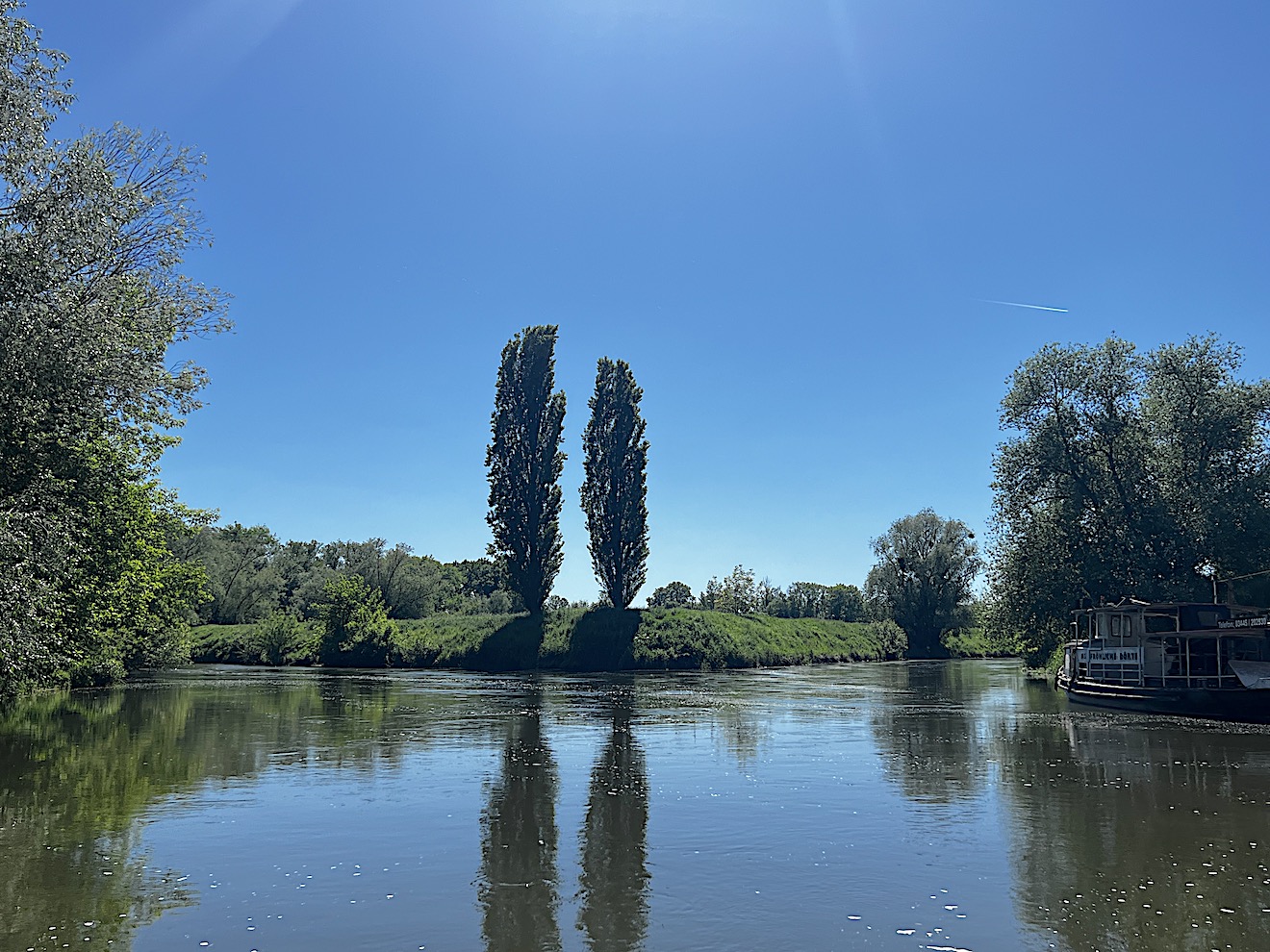
Confluence of the Saale and Unstrut

2028: 1000 years of Naumburg, 1030+ years of viticulture in the region

As is well known, Naumburg will celebrate its 1000th anniversary in 2028. The city’s origins are generally traced back to the documented transfer of the bishop’s seat from Zeitz to Naumburg in 1028. Since the 900th-anniversary celebrations in 1928, this significant date has formed the basis for the city’s anniversary celebrations. However, there is also a document stating that viticulture on the Saale and Unstrut rivers began at least as early as 998, i.e. at least 30 years earlier.

Read more …

Friedrich Gastro & Event


Follow us

on the platform of your choice and stay in touch with us, please.

Facebook Instagram X formerly Twitter


office: Friedensstr. 13 06618 Naumburg
Telephone +49 3445 7387926