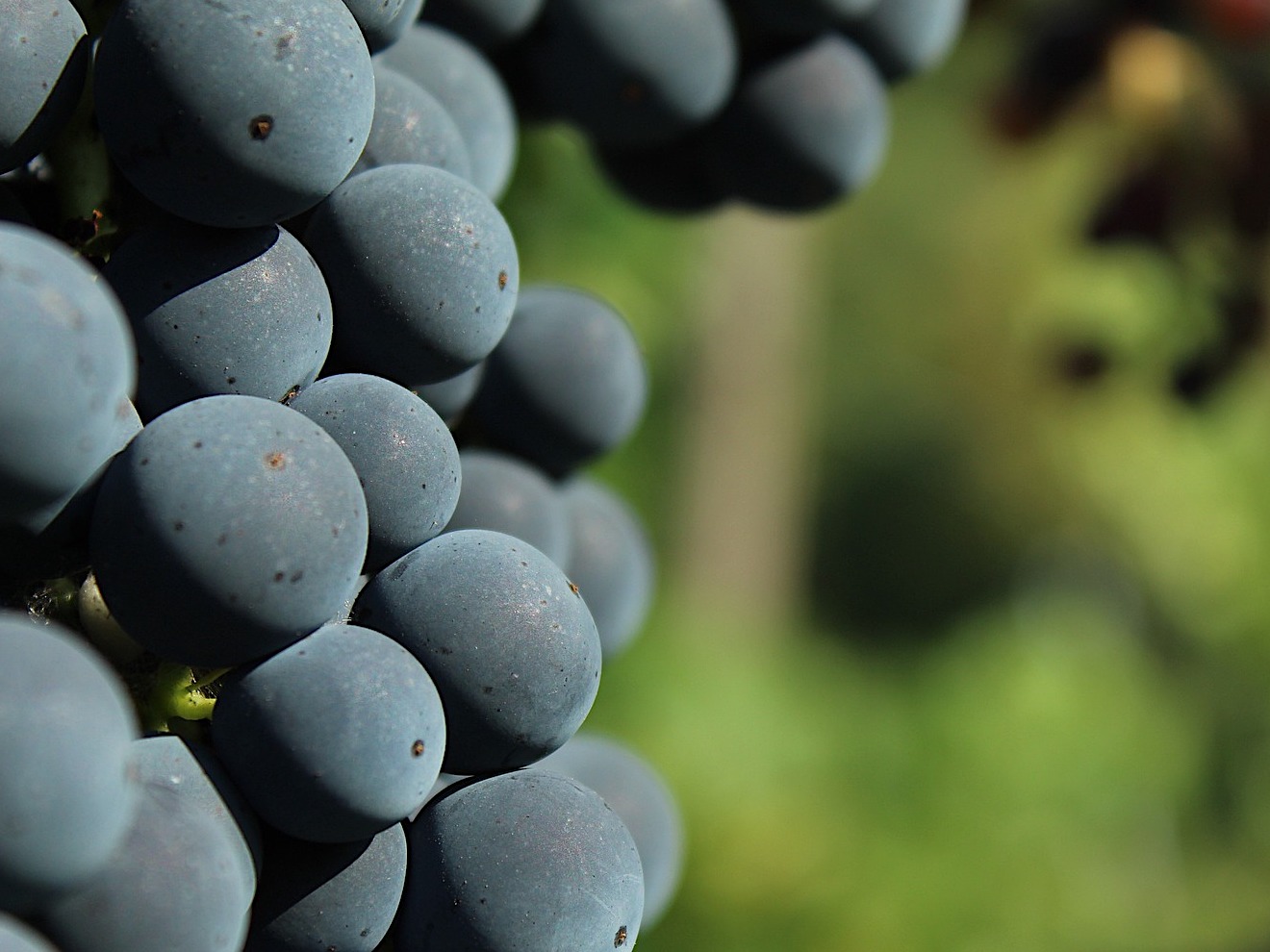

Regent variety
The red grape variety Regent is a fungus-resistant new variety (PiWi) that was created in 1967 by Dr Gerhardt Alleweldt at the Geilweilerhof Institute for Grapevine Breeding. It was developed from a cross between the white variety Diana (Silvaner × Müller-Thurgau) and the red French hybrid variety Chambourcin. That sounds confusing – and it is.
A winemaker friend of mine once let slip a few secrets from his oenological toolbox and explained just how much effort such a cross-breeding exercise involves. Well, in any case, the cross-breeding was ultimately successful. The history of the Regent grape variety began in 1967, when the renowned breeder Gerhardt Alleweldt carried out the decisive cross at the Federal Research Institute for Grapevine Breeding in Geilweilerhof. Under the initial breeding number Gf. 67-198-3, a pioneering variety matured, which underwent intensive testing over the years. After more than two decades of research and observation, the first major legal milestone came in 1993 with the granting of plant variety protection. Just two years later, in 1995, this hardy vine received its official German variety approval under the name Regent and was entered into the Federal List of Varieties. The definitive breakthrough and the starting point for its international success finally came in 1996, when European variety approval was granted and Regent was officially authorised for the production of quality wine.
Depending on the vintage, Regent appears garnet to black-red in the glass, usually with aromas of black cherries, blackberries and currants. On the palate, it has medium to strong tannins.